

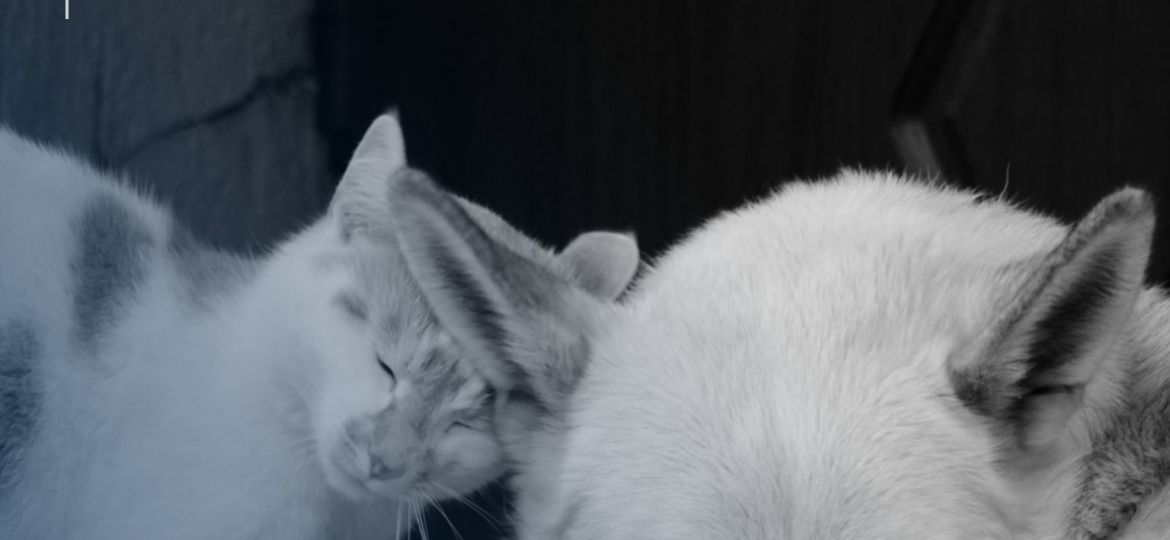
Adopting from a Spanish shelter is one of the better decisions anyone moving here can make, and also one that raises the most questions in the first few weeks. Between the paperwork, the settling-in and the first vet visits, insurance tends to get left for later. That delay is precisely the expensive mistake.
An adopted animal arrives with a history you will almost never know in full. That uncertainty is not a reason to avoid adopting; it is a reason to get the first steps in the right order, and insurance is one of them.
What the shelter gives you, and what to ask for
Most Spanish shelters hand over the animal microchipped, wormed, vaccinated according to age and, where appropriate, neutered. This usually comes with a health record and an adoption contract.
Always ask for the full veterinary report, not just the vaccination card. You want to know what condition the animal was in on arrival at the shelter, which tests were run, whether any treatment was given and whether there is an open diagnosis. For dogs from the south or the Mediterranean coast, ask specifically whether leishmaniasis serology was done and what the result was.
Check as well that the microchip is registered in your name in your autonomous community’s register. The shelter starts the process, but the transfer of ownership does not always complete on its own, and it is the document that establishes you as the animal’s keeper.
The point almost nobody checks: pre-existing conditions
In any pet insurance policy, whatever already existed before you took out cover falls outside it. With an adopted animal that has a very concrete consequence: if the shelter has already documented a condition, or the animal is under treatment, that condition will not be covered.
This is not a reason to be discouraged. It simply means it is worth arranging cover as early as possible, so that whatever appears from that point onwards does fall inside it. Every week that passes is a week in which something can appear that will later count as pre-existing.
Why the first few days matter
Cover does not start the moment you sign. At Petplan the waiting period is 15 days for accidents and 30 days for illness. Taking out a policy on adoption day means that by the time the animal has been with you a month, it is already fully protected.
That first month is also one of the highest-risk periods. A change of environment creates stress, and stress brings digestive upsets, respiratory problems and cystitis. It is also the period in which an animal that does not know the house escapes, falls or swallows something it should not.
Arranging cover early is not an administrative formality. It covers exactly the window in which most things tend to happen.
What the first months involve
Even if the animal arrives vaccinated, your vet will want an initial assessment: weight, body condition, teeth, skin, ears and a listen to the chest. For adult animals of unknown origin, basic blood work is usually recommended.
Then comes the appropriate vaccination schedule, internal and external parasite treatment suited to your area, and neutering if it was not done already. Many of these are preventive costs and do not fall within a health policy, so budget for them separately.
Petplan offers an optional vaccine plan that reimburses vaccines prescribed by your vet, including the leishmaniasis vaccine, up to €90 per year. For a newly adopted animal starting a schedule, that cover earns its place from day one.
Third party liability: the step people forget
When you adopt a dog you become its legal keeper, with everything that implies if it causes harm to someone else. In Spain, liability insurance is required for dogs classified as potentially dangerous, and several autonomous communities and municipalities require it more widely. Law 7/2023 of 28 March, on the protection of animal rights and welfare, provides in article 30.3 for extending it to all dogs, but it does not apply in practice until the implementing regulation is issued, which is still pending.
Check with your town hall what is required where you live, particularly if the dog you have adopted is large or a cross of breeds within that classification. Petplan offers liability cover of up to €300,000 a year for around €25 annually, separate from the health policy.
What it costs to insure an adopted animal
The price depends on species, breed, age and postcode, not on whether the animal came from a shelter or a breeder. At Petplan, policies start at around €16 a month for a cat, €23 for a dog and €18 for a rabbit.
With an animal of unknown age, the vet will estimate from the teeth and general condition. Give that figure exactly as they state it, without rounding down: an inaccurate declaration can complicate a claim later.
When comparing, look at the reimbursement percentage, the annual limit and how the excess is applied. At Petplan reimbursement can reach 100% of covered costs, the annual limit goes up to €3,100 and the excess is €45 per illness rather than per visit.
A short list for the first two weeks
Ask the shelter for the full veterinary report. Confirm the microchip is in your name on the regional register. Book the first appointment with the vet who will follow the animal. Take out insurance before any symptom appears. And ask about liability cover if you have adopted a dog.
Adopting means taking on a story that started before you. You cannot change the medical part of that story, but you can decide from what point you have backing for whatever comes next. The sooner you settle it, the more of the life ahead of you is covered.
