

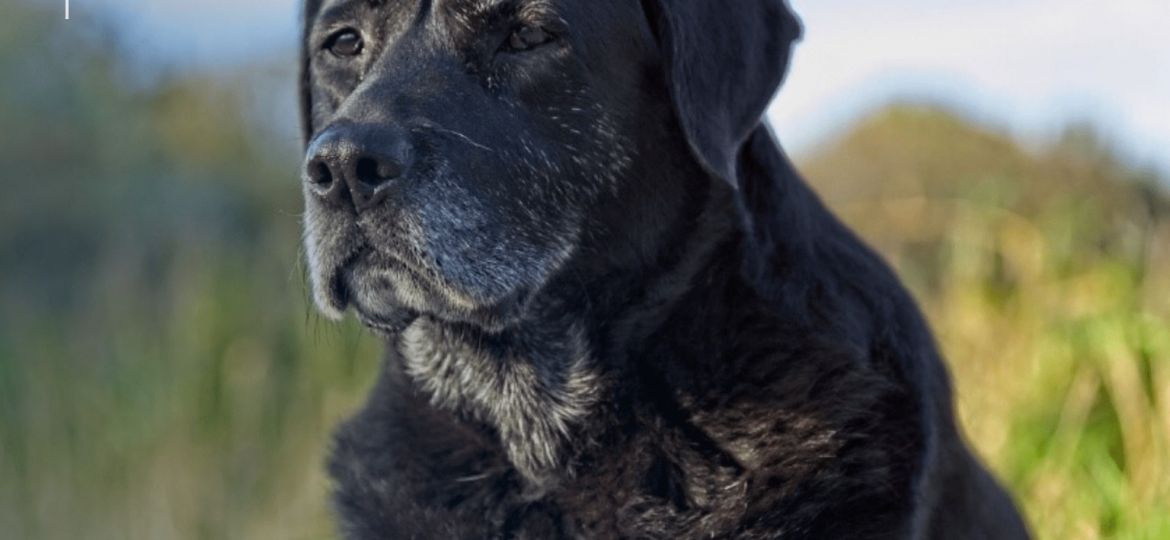
Plenty of people arrive in Spain with an animal that is no longer young. A retirement on the coast, a mid-career move, a second home that ends up being the first: in all of those cases, the dog or cat in the car has usually got a few years behind it. And then comes the uncomfortable question: can I still insure them?
The short answer is that it depends on the age, the company and, above all, their current state of health. The longer answer is more useful, because it explains what can be done and in what order.
What changes as an animal gets older
Beyond a certain age, the pattern of veterinary spending changes. It is less about one-off accidents and more about conditions that settle in: osteoarthritis, dental disease, kidney disease, heart conditions, hormonal disorders or tumours. These need diagnosis, monitoring and often prolonged medication.
That means two things. First, the value of insurance rises precisely at this stage, because costs stop being occasional. Second, insurers know this, which is why the conditions for taking out a new policy on an older animal are stricter than for a puppy or kitten.
It is worth separating two very different situations: renewing a policy you already hold, or taking out a new one when the animal is already old. The first usually continues without drama; the second is where the limits appear.
Age limits when taking out a policy
Many companies set a maximum age for enrolling an animal for the first time, or specific conditions beyond a certain age. This is not a sector-wide rule: it varies between insurers and can change over time. In Petplan’s case, the health policy takes dogs and cats between 2 months and 7 years old, and rabbits up to 5, with age counted at the point of enrolment. It is a cut-off for joining, not for staying: once insured, the animal renews with no age limit. The third-party liability policy has no age limits at all.
So if your animal already has some years behind them, the first step is not to compare prices but to ask directly whether they can be enrolled, and on what terms. Asking first saves time on quote tools that do not reflect your actual case.
Bear in mind that age counts at the moment of enrolment. A month’s delay may be irrelevant, or decisive if the animal is right at the threshold. If you are hesitating, that hesitation has an expiry date.
The real obstacle is usually not age
In practice, what most restricts cover for an older animal is not the number of years but what is already on the record. Any condition diagnosed, under treatment, or showing symptoms before the policy starts counts as pre-existing and falls outside cover.
A healthy seven-year-old dog with no history can be in a far better position than a five-year-old already diagnosed with osteoarthritis. Current health matters more than date of birth.
The practical consequence is uncomfortable but clear: the longer you wait, the more likely something appears that is later excluded. With an older animal, waiting has a real and growing cost.
What to look at in the policy
The annual limit comes first. At a stage when several check-ups, tests and treatments can fall in the same year, a low ceiling runs out sooner than it appears. At Petplan the annual limit goes up to €3,100 and reimbursement can reach 100% of covered costs.
Second is how the excess is applied. Whether it is charged per illness or per visit changes the arithmetic considerably for an animal that will need ongoing monitoring. At Petplan the excess is €45 per illness. And there is a third figure worth looking at closely with an older animal: under Petplan’s policy terms, each injury or illness is covered for 12 months from the date it occurred or first showed clinical signs. In chronic conditions that period defines the real scope of cover, so ask about it before you buy.
Third is freedom to choose your vet. With an older animal, continuity matters: the professional who knows the history spots a meaningful change sooner. A reimbursement model, where you choose the clinic, pay and then claim, lets you keep that relationship.
Fourth, the exclusions. Read them calmly, paying attention to anything covering chronic, dental and degenerative conditions, which are the most common at this stage.
Prevention is what keeps the rest down
In older animals, regular check-ups stop being optional. Annual blood work, or six-monthly if your vet advises it, picks up kidney, liver or hormonal changes before they produce symptoms. Caught early, almost everything is easier and cheaper to manage.
Watch weight, teeth and mobility too. Excess weight worsens osteoarthritis, and dental disease is one of the most underestimated causes of chronic discomfort in older dogs and cats.
Remember that most of these preventive costs do not fall within a health policy. Budget for them separately and do not confuse them with what the policy covers.
If you are moving to Spain with an older animal
Check first whether your existing policy remains valid once you change residence. Many require the policyholder and animal to be habitually resident in the country where it was taken out, so a move can leave you without effective cover even while you keep paying.
If you are going to take out a Spanish policy, do it before the first appointment with the new vet, not after. It is a small distinction with large consequences: anything found at that first visit becomes part of the record.
And factor in the change of environment. Heat, leishmaniasis, processionary caterpillars and ticks hit an older animal harder, because their capacity to recover is lower than a young one’s.
In short
Insuring an older animal is harder than insuring a puppy, but it is rarely impossible, and it almost never improves by waiting. The combination that works is simple: ask early whether they can be enrolled, take out cover while they are healthy, choose a policy with a generous annual limit and an excess charged per illness, and keep check-ups current.
The last years of an animal’s life tend to ask the most of us and are the ones we most want to make count. Making sure the clinical decision does not hang on the invoice is exactly what planning ahead is for.
