

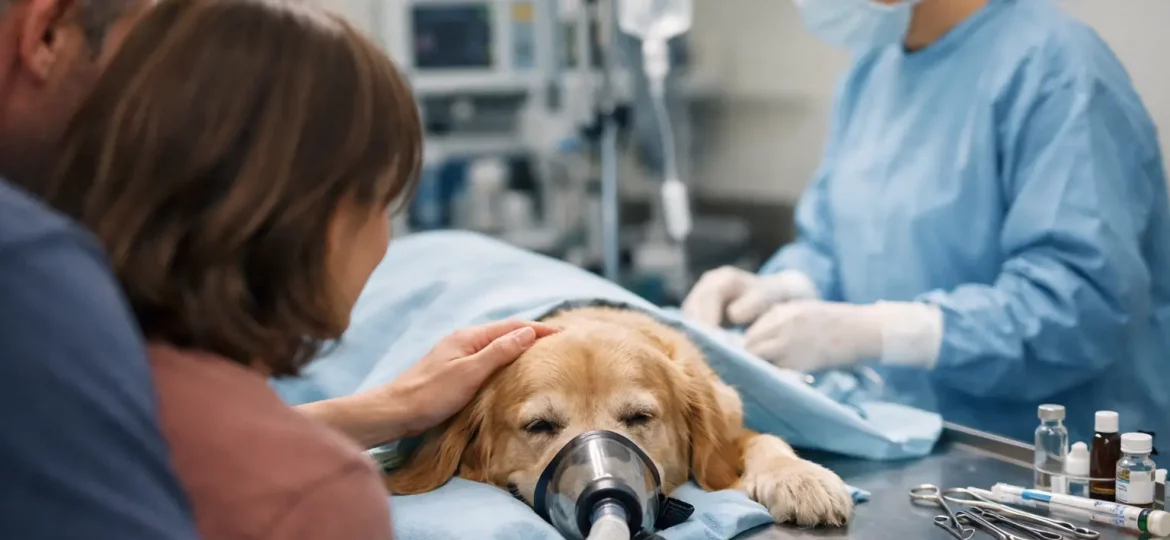
A call from the clinic, a test that does not come back the way you hoped, and a word that worries any family: surgery. Knowing how to cover your pet’s surgery does not take away the concern for their health, but it does stop the cost forcing you to delay a necessary veterinary decision. Preparing in advance helps you choose more calmly, look after your animal better and protect the household finances.
The price of a procedure can vary enormously depending on the species, the diagnosis, how complex the operation is, the pre-operative tests, the anaesthetic, hospitalisation and follow-up care. A dental clean with extractions does not cost the same as ligament repair surgery, emergency intestinal surgery or the removal of a tumour. So rather than looking for a single figure, it is worth understanding the realistic ways of meeting the cost.
How to cover your pet’s surgery, step by step
When the vet proposes an operation, the first step is not to decide blind: it is to understand the clinical plan. Ask them to explain the diagnosis, the aim of the surgery, how urgent it is, what alternatives exist and what may happen if it is delayed. That conversation lets you weigh up the treatment from the point of view of the animal’s health, not just the budget.
Next, ask for a detailed written estimate. Wherever possible it should separate the consultation and pre-operative tests, the procedure itself, the anaesthetic, medication, the hospital stay, check-ups and any specific materials. Some amounts can only be confirmed during the operation, because they depend on what the veterinary team finds. In those cases, ask for an estimated range and for the authorisation procedure should the treatment need to be extended.
Keeping the clinical report, the invoices and the payment receipts from the outset also makes a difference. It does not only help you track the spend: it will be essential if you hold a reimbursement pet insurance policy, or if you need to review the case with another clinic.
Consider a second opinion when there is time
In a life-threatening emergency, time is the priority and the veterinary team must act quickly. If your pet’s condition allows it, though, a second opinion can help you confirm the diagnosis, learn about therapeutic options and compare estimates on an informed basis.
This is not about hunting for the cheapest option regardless. Surgery should be carried out at a practice equipped for the specific case, with proper diagnosis, anaesthetic monitoring, hospitalisation capacity if needed and follow-up afterwards. Sometimes the lower estimate leaves out tests or care that turn out to be necessary; at other times, a less invasive alternative may be clinically valid. The key is to decide with the full picture.
The options for paying for a veterinary operation
How you meet the cost will depend on whether the procedure is urgent, on the savings you have available and on the protection you already hold. These are the most common alternatives:
- Savings set aside for unexpected veterinary costs. Having a specific reserve gives you the freedom to accept tests and treatment without throwing the monthly budget off balance all at once.
- Instalment payment or finance offered by some clinics. Before accepting, check the total cost, the interest, the fees and the repayment term. It is a useful solution in certain cases, but it is best not to judge it on the monthly payment alone.
- One-off help from family, or a combination of savings and finance. This can ease an emergency, though it is better to agree from the start how and when the money will be repaid.
- Pet insurance. If the policy was in force before the problem appeared and the procedure meets its conditions, it can reimburse a significant part of the covered costs.
Each route strikes a different balance between speed, cost and future peace of mind. Savings do not accrue interest, but they can run out. Finance lets you spread a payment, though it normally makes the bill more expensive overall. Insurance means a regular premium, but it aims to reduce the financial impact of unexpected illness or accidents.
Pet insurance and your pet’s surgery
Pet insurance works best when it is taken out before you need it. Operations are usually connected to accidents, illness or problems that have developed over time. If a diagnosis or its symptoms already existed before the policy was taken out, it will normally be treated as a pre-existing condition and will not be covered.
It is also worth checking the waiting periods. These are the initial days during which certain cover is not yet active. Their purpose is to prevent a policy being bought just after a problem that already needs treatment has been spotted. For that reason, waiting until the vet recommends surgery is usually too late to insure that particular case.
At Petplan, the reimbursement model lets you go to the vet you choose, pay for the care at the clinic and submit the invoice and veterinary report online. That gives you the freedom to stay with the professional who already knows your dog, cat or rabbit’s history. Even so, before buying or submitting a claim, always check the specific conditions of your policy: reimbursement percentage, annual limit, any excess, waiting periods, exclusions and the documentation required.
What to check before counting on a refund
Not every policy protects in the same way, and not every procedure is handled identically. Read carefully whether the diagnostic tests linked to the surgery, the anaesthetic, hospitalisation, prescribed medication and follow-up appointments are included. The final cost of an operation is rarely limited to the time spent in theatre.
Look at the annual financial limit as well. Complex surgery can use up a significant part of that limit, especially if it requires advanced tests, admission or rehabilitation. If your pet has a condition that needs monitoring, the limit should be judged across the whole year, not just against the first invoice.
The documentation must be complete and legible. Typically you will need the itemised invoice, the report setting out the diagnosis and treatment, and the pet’s details. Submitting everything correctly from the start helps the process move faster and avoids further requests.
Preparing the budget before an emergency happens
The best strategy for covering veterinary surgery starts at a routine appointment, not on a night in the emergency clinic. Check-ups, vaccination, weight management, dental hygiene and paying attention to changes in behaviour or appetite can catch problems before they become complicated. They do not prevent every illness or accident, but they reduce the number of situations where there is little room to decide.
It also helps to set up a small monthly provision for animal health, even if you already have insurance. It can go towards costs that are not covered, excesses, preventive treatments or travel. Putting aside a manageable amount each month is usually easier to bear than facing an unexpected bill all at once.
Finally, keep an orderly record with the vaccination card, test results, prescriptions and reports. If you need to go to an emergency clinic or consult a specialist, having that information to hand can speed up decisions and avoid repeating tests unnecessarily.
Surgery should never become a choice between your pet’s health and your household’s stability. Anticipating the options, knowing the conditions of your cover and talking openly with your vet will let you act when it really matters, with your attention where it belongs: on their recovery.
What does it cost? See what cruciate ligament surgery and a hospital stay cost in Spain.
