

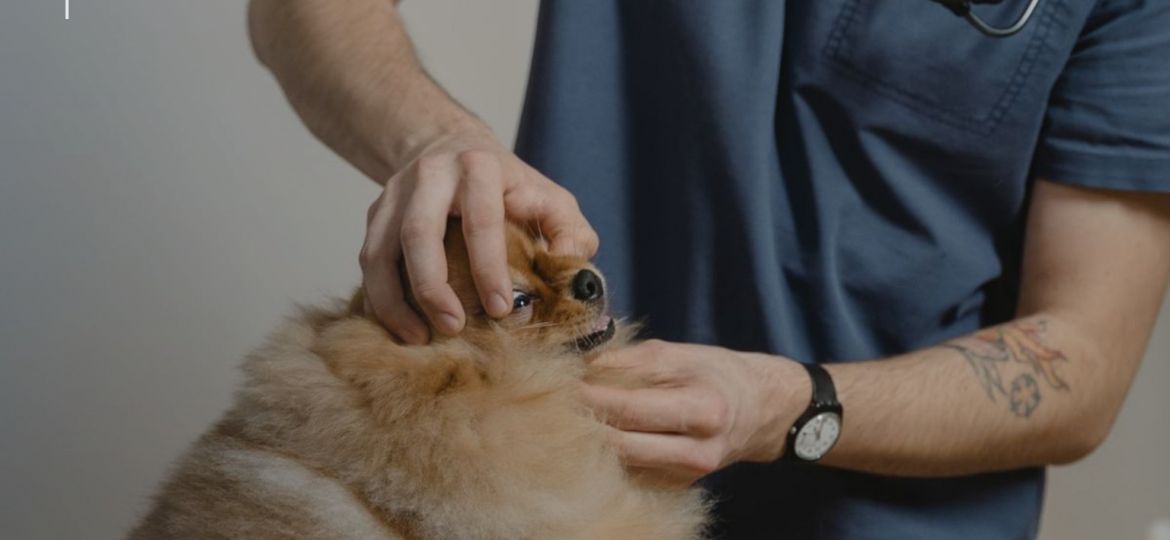
Canine parvovirus is one of those diseases in which hours count. It mainly affects puppies and unvaccinated dogs, progresses quickly and its treatment almost always involves hospitalisation. Recognising it in time changes the outlook.
What it is and who it affects
It is a highly contagious viral disease that mainly attacks the digestive tract. Puppies are the highest-risk group, particularly between weaning and the end of the vaccination schedule, when the protection they receive from their mother has already dropped and their own is not yet complete.
It is transmitted through contact with the faeces of infected animals and with contaminated surfaces. The virus survives in the environment for a long time, which explains why a puppy can become infected without ever having been near a sick dog.
Warning signs
The signs that should take you to the vet the same day, without waiting to see if it improves: repeated vomiting, severe diarrhoea often with blood, marked apathy, complete refusal of food and water, and dehydration.
In a puppy, the combination of vomiting and diarrhoea causes dehydration within hours. This is not an ailment to watch for a couple of days.
Why the treatment is expensive
There is no drug that eliminates the virus. What is treated are its consequences, and that means supporting the animal while its immune system responds: hospitalisation, continuous intravenous fluid therapy, supportive medication, pain control and repeated tests to monitor progress.
It means several days of admission with constant care. As Petplan notes in its own product information, many treatments given to our pets can exceed 1,000 euros, and an admission for parvovirus is among those that easily do.
How it fits with insurance
Petplan’s health insurance covers hospitalisation, consultations, tests and blood work, diagnostic procedures, nursing and the medicines prescribed by your vet, with 100% reimbursement up to €3,100 a year and a €45 excess per illness.
There are two points worth keeping in mind with a puppy newly arrived home. The first is the waiting period: 30 days for illnesses. The second is that if the illness was already present when the policy was taken out, it is considered a pre-existing condition and is excluded. With a puppy, taking out a policy early and while healthy is exactly the case in which insurance does what it is meant to do.
Vaccination is what really prevents it
Vaccines are not part of the health insurance, but Petplan offers an optional Health + Vaccines plan that reimburses 100% of the vaccines prescribed by your vet, including the one for leishmaniasis, up to a maximum of €90 a year.
Frequently asked questions
Is parvovirus transmitted to people?
No. Canine parvovirus affects dogs. It is not transmitted to people.
Does the insurance cover hospitalisation for parvovirus?
Yes, as long as the 30-day waiting period for illnesses has passed and it is not a pre-existing condition. Hospitalisation, tests and prescribed medicines are covered 100% up to €3,100 a year.
Are vaccines included in the health insurance?
No. They are taken out optionally through the Health + Vaccines plan, which reimburses up to €90 a year.
Can I call a vet if I suspect parvovirus at night?
Petplan includes a telephone veterinary emergency service available 24 hours a day, 7 days a week. With these signs, you should also go to a clinic.
