

Updated June 2026.
The Kishu Ken is one of the most popular dog breeds. In this guide we cover its origin, temperament, care and the conditions it is most prone to, to help you look after its health.
Origin and history of the Kishu Ken
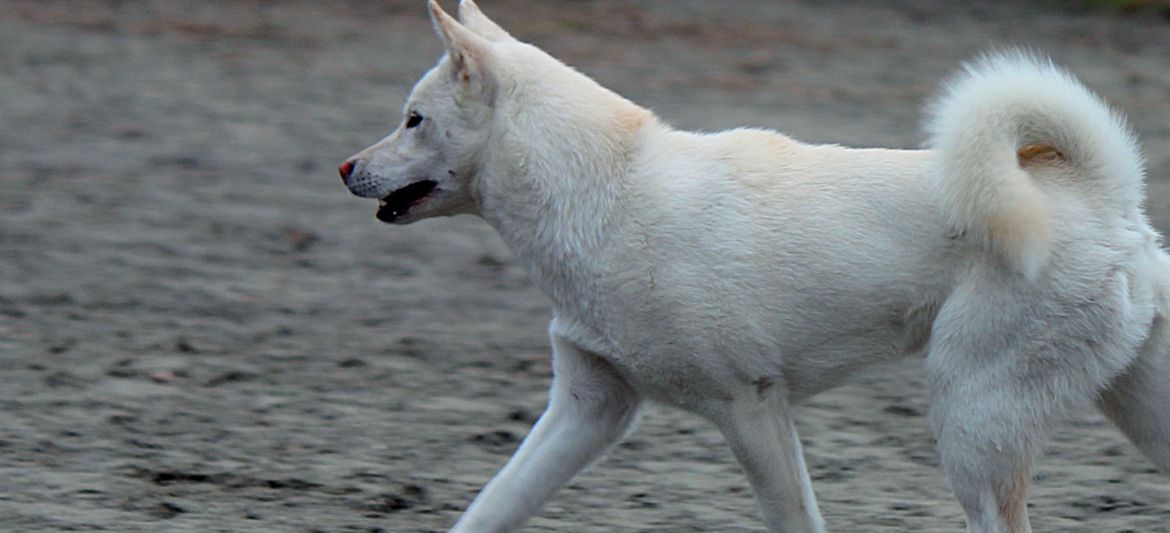
A hunting dog from the mountainous Kishu region of Japan. It likely descends from spitz-type hunting dogs and keeps a strong predatory instinct. Japan declared it a «Natural Monument» (protected species) in 1934. It is calm and affectionate with its family but somewhat aloof with strangers.
Physical characteristics
| Country of origin | Japan |
|---|---|
| Height | 43 – 56 cm |
| Weight | 14 – 27 kg |
| Coat | Double coat, short; white, red or sesame |
| Role | Hunting dog |
| Lifespan | 12 to 15 years |
Temperament and behaviour
The Kishu Ken is calm, affectionate, devoted and good-natured. Like any dog, it needs early socialisation, clear routines and positive, reward-based training to develop a balanced character. Giving it time, exercise and attention strengthens the bond with the family.
Common health problems of the Kishu Ken
Protecting your Kishu Ken’s health is essential. These are some of the conditions the breed is most prone to:
- Autoimmune thyroiditis
- Addison’s disease
- Hip dysplasia
- Allergies
- Eye problems
Indicative list of breed predispositions, to be validated by Petplan’s veterinary team. It is not a diagnosis.
Care and feeding
The Kishu Ken needs a balanced canine diet suited to its size and age, with weight control and fresh water always available. Look after its dental hygiene, brushing according to its coat, nails and ears, and keep up with vaccinations and deworming. Regular veterinary check-ups are key to catching any problem early.
Exercise and stimulation
The Kishu Ken needs daily walks and exercise to match its energy, plus mental stimulation through games, obedience or interactive toys. A dog that moves and «thinks» every day is a more balanced dog: the right exercise prevents boredom, stress and excess weight.
Why Petplan is the best choice for your Kishu Ken
With Petplan health insurance you freely choose your vet and face accidents, illnesses and emergencies without cost making the decision for you. Get a free, no-obligation quote for your dog and protect it throughout its life.
Frequently asked questions about the Kishu Ken
How long does a Kishu Ken live?
The life expectancy of the Kishu Ken is 12 to 15 years, especially with good care, a proper diet and veterinary follow-up.
What health problems are most common in the Kishu Ken?
Its most common predispositions include: autoimmune thyroiditis, addison’s disease, hip dysplasia, allergies, eye problems. Discuss them with your vet.
How much does Kishu Ken insurance cost?
It depends on age and area. You can get a free, no-obligation quote for your dog with Petplan.
What does Petplan insurance cover for a Kishu Ken?
Accidents and illnesses, including diagnostic tests, surgery, hospitalisation and veterinary emergencies, with free choice of vet across Spain.
Learn more about Petplan pet insurance.
