

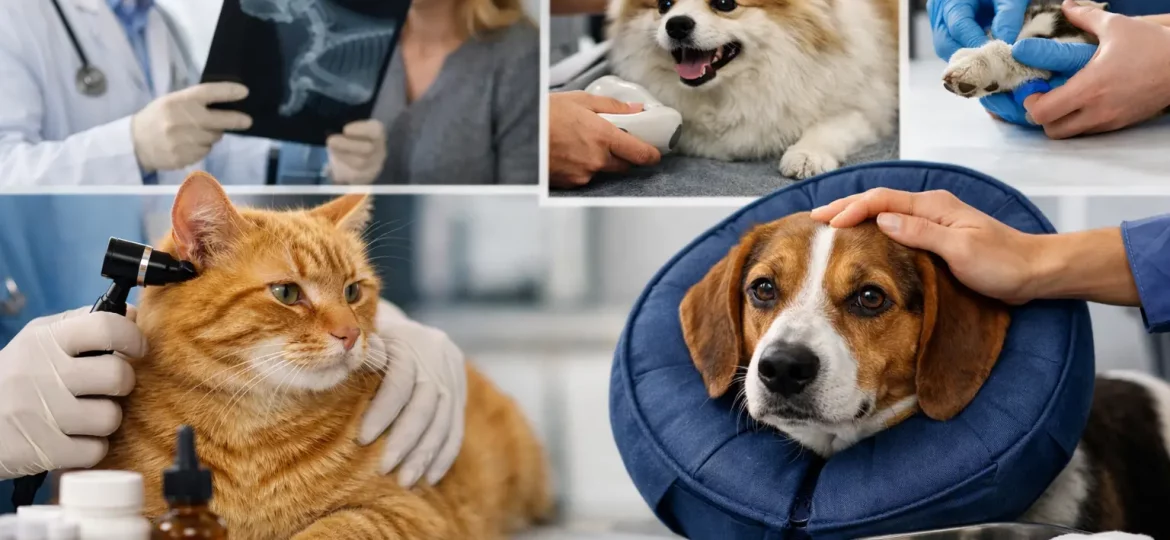
A consultation that starts with “it’s not eating like it usually does” can end up being a simple check-up or require tests, medication and follow-up. That uncertainty is part of living with an animal. Knowing the 5 most common veterinary expenses helps you better anticipate the care of dogs, cats and rabbits, without having to choose between financial peace of mind and the care your pet needs.
Not all animals will have the same expenses. Their species, age, breed, lifestyle and previous health status all have an influence. Even so, there are items that appear frequently on veterinary invoices and are worth bearing in mind.
The 5 most common veterinary expenses
1. Consultations, check-ups and diagnostic tests
The veterinary consultation is one of the most common expenses, both for prevention and because of the appearance of symptoms. An annual check-up makes it possible to assess weight, the mouth, the state of the skin, mobility or possible changes in behaviour. In senior animals or those with previous conditions, check-ups are usually more frequent.
Sometimes, the physical examination is not enough to reach a diagnosis. The vet may recommend blood or urine tests, X-rays, ultrasound scans, cytologies or specific tests. These tests provide key information to treat the animal properly, but they raise the cost compared with a routine consultation.
The final amount depends on the test, the urgency and whether it is necessary to go to a centre with specialised equipment. For example, an occasional limp may be resolved with rest and follow-up, while a persistent injury may require X-rays and several check-up visits.
2. Vaccinations, deworming and preventive medicine
Prevention is one of the best decisions to protect a pet’s health, although it also involves a periodic expense. The vaccination schedule varies according to the species, the age, the place where the animal lives and its exposure to other animals. A dog that travels, goes to boarding facilities or usually lives with other dogs may need a different schedule from one with a more homely life.
Internal and external deworming must also be adapted to each case. Fleas, ticks, mosquitoes and intestinal parasites are not just a nuisance: they can transmit illnesses or cause problems that need veterinary treatment. That is why the professional may recommend pipettes, tablets, collars or other solutions at a set frequency.
In rabbits, prevention has its own particularities. Vaccination and check-ups are especially relevant, and any change in appetite or in droppings deserves prompt attention. What seems a minor detail can develop quickly in more delicate species.
3. Medication and treatments for common illnesses
Ear infections, dermatitis, digestive discomfort, urinary infections, allergies or joint pain are some frequent reasons for consultation. The expense is not always limited to the medicine: it can include tests to identify the origin of the problem, subsequent check-ups and a veterinary diet in certain cases.
When it is a one-off illness, the treatment can be brief. However, chronic conditions change the picture. Diabetes, kidney failure, osteoarthritis or certain endocrine conditions require check-ups and medication maintained over time. In these cases, planning the budget is as important as correctly following the vet’s guidelines.
It is also advisable to avoid false economy: interrupting a treatment too soon, adjusting doses on your own or delaying a check-up can complicate an illness and increase the subsequent expense. The priority must always be the animal’s wellbeing and the professional’s guidance.
4. Veterinary emergencies and hospitalisation
Unexpected events give no warning. Swallowing an object, a fight, a fall, heatstroke, an allergic reaction or breathing difficulty can require immediate care. Emergencies usually cost more than a scheduled consultation, especially outside normal hours or when they require tests and monitoring.
Hospitalisation adds another variable. If a pet needs to stay admitted, the bill can include supervision, fluid therapy, medication, repeated tests and specific care. Not all serious cases require admission, but when the vet indicates it, it is usually because they need to observe the animal’s progress closely.
Being clear about where your nearest emergency clinic is and keeping its contact details can save time in a delicate situation. It is also useful to know how to identify warning signs: intense apathy, difficulty breathing, bleeding, seizures, evident pain, repeated vomiting or inability to urinate are examples that justify consulting without delay.
5. Surgeries, accidents and recovery
Surgical procedures are another of the most significant veterinary expenses. Some are planned, such as sterilisation, and others come after an accident or the diagnosis of an illness. A surgery is not a single item: it can include a prior consultation, pre-operative blood tests, anaesthesia, the procedure, medication, wound care and check-ups.
Orthopaedic injuries, for example, may require X-rays, surgery and rehabilitation. In other cases, a skin lump may require removal and subsequent analysis. The cost will depend on the complexity of the procedure, the size and condition of the animal, the material needed and the clinical follow-up.
It is normal to weigh up different options when a high estimate is presented. The vet can explain which treatment they recommend, what alternatives exist and what the consequences of waiting are. Having clear information allows calmer decisions to be made, without taking attention away from what is essential: the pet’s recovery.
How to anticipate these expenses without giving up care
Setting aside a monthly amount for the animal’s health can help to face check-ups and preventive care. However, savings alone may fall short in the face of a hospitalisation, a surgery or a chronic illness. That is why many families combine the preventive budget with veterinary insurance.
Before taking it out, it is worth reviewing which situations it covers, the annual limits, the reimbursement percentages, the waiting periods, the exclusions and the treatment of pre-existing conditions. Not all insurance policies work the same, and the right choice depends on the pet and the needs of each family.
In a reimbursement model such as Petplan’s, you can go to the vet you choose, pay for the care and submit the invoice and the veterinary report online to request the reimbursement, in accordance with the policy conditions. This freedom can be especially valuable if you already trust a specific clinic or if you need care during a trip within Spain.
What habits help to reduce avoidable risks
Not all expenses can be prevented, but a care routine can reduce some risks. Keeping vaccinations and deworming up to date, offering an appropriate diet, controlling weight and attending check-ups make it possible to detect problems before they advance.
Adapting the environment also matters. Keeping medicines and toxic foods out of reach, supervising walks, avoiding intense exercise during hot hours and offering appropriate enrichment at home reduces risky situations. In cats, for example, changes in appetite, water consumption or litter tray use can be early clues that should not be ignored.
A pet’s health cannot be measured only in bills, but anticipating the most frequent veterinary expenses allows you to act more calmly when something changes. Having a financial plan, knowing your vet and asking for help in time leaves more room for what really matters: being there for your animal when it needs you.
