

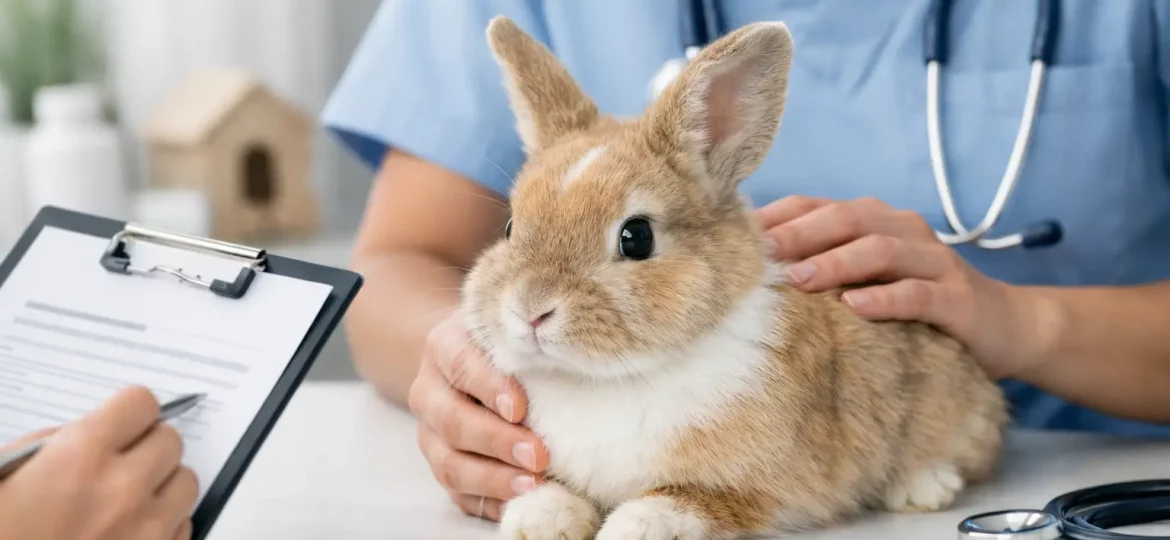
A rabbit stops eating for a few hours and, suddenly, the situation may require urgent veterinary care. That is why understanding how to insure a rabbit is not just about comparing prices: it is about anticipating how you will respond to an illness, an accident or an unexpected diagnostic test without the cost delaying the care it needs.
Rabbits are sensitive animals and experts at hiding discomfort. When the symptoms become evident, the problem has sometimes already advanced. Having veterinary insurance can help you make decisions focused on its health and not only on the budget available at that moment.
How to insure a rabbit step by step
The first step is to look for a policy that specifically accepts rabbits. Not all pet insurance policies include animals other than dogs and cats, and it is worth confirming this before taking out a policy. Also check the requirements for age, identification and health status that the insurer asks for.
Then, compare the real medical cover. A useful policy must clearly explain which veterinary expenses it can reimburse in the event of illness or accident, what the reimbursement percentage is and what annual financial limit applies. It is not enough to look at the monthly premium: insurance with an attractive premium may have excesses, limits or exclusions that reduce its usefulness when you need it most.
Finally, read the conditions before formalising the contract. Pay special attention to the waiting periods, pre-existing conditions and treatments that are left out of cover. Understanding these points from the start avoids mistaken expectations and allows you to choose with greater confidence.
What insurance for rabbits should cover
A good veterinary policy is designed to be there for you when a health problem you had not foreseen arises. In the case of a rabbit, consultations, tests and treatments can add up quickly, especially if it needs specialist care.
Cover varies depending on the policy, but it is advisable to assess whether it includes expenses such as veterinary consultations for illness or accident, hospitalisation, surgery, diagnostic tests, prescribed medication and emergency care. X-rays, ultrasound scans, analyses or dental procedures, for example, may be necessary to reach a diagnosis or treat a complication.
Not all expenses related to the animal’s wellbeing have to be included. Preventive medicine, routine check-ups, food, nail clipping or certain maintenance care may be treated differently in each contract. The key is to distinguish between the everyday expenses you can plan for and the unexpected clinical expenses that insurance can help you face.
Common illnesses and early care
Digestive and dental problems are among the usual concerns of those who live with rabbits. A reduction in appetite, fewer droppings, apathy, drooling or changes in its behaviour should not wait to see if they improve the next day. Rabbits can worsen quickly, so consulting a vet with experience in exotic animals is a prudent decision.
Injuries, infections, urinary problems or complications resulting from a fall can also occur. Insurance does not replace good prevention or the recommended check-ups, but it provides financial backing when a clinical situation requires acting without delay.
The freedom to choose your vet also counts
When insuring a rabbit, check how access to veterinary care works. Some people prefer to go to an approved clinic, while others need to keep the possibility of visiting their usual vet or a centre with specific experience in rabbits.
In a reimbursement system, you normally choose the clinic, pay the invoice and then submit online the documentation requested, such as the invoice and the veterinary report. Once the case has been reviewed and according to the policy conditions, the insurer makes the corresponding reimbursement. This model can be especially useful for rabbit owners, since clinical experience with this species is not equally available at all centres.
Petplan offers veterinary insurance for rabbits based on this freedom of choice, with digital management of invoices and claims, 24-hour veterinary assistance and cover that can reach 100%, with an annual limit of up to €3,100 according to the conditions taken out.
What documentation is usually needed
Keeping the documentation from the first visit greatly simplifies the process. Keep the detailed invoices, the veterinary reports, the prescriptions and any test result that explains the diagnosis and the treatment. If the vet can indicate the date the symptoms started, the reason for the consultation and the procedure carried out, the assessment of the reimbursement will be clearer.
It is not advisable to let too much time pass before reporting a covered expense. Each policy sets its own deadlines and requirements, so submitting the request as soon as possible helps to make the process quicker.
Before taking out a policy: five useful questions
To choose well, you do not need to memorise insurance terms. You do need to ask the right questions. Ask whether the policy covers illnesses and accidents, what percentage it reimburses, what the annual limit is, whether there is an excess and what exclusions apply.
It is also advisable to confirm from when your rabbit will be protected. Waiting periods are common in insurance and mean that certain cover does not take effect immediately. Taking out a policy when the animal is healthy usually offers more options than waiting for symptoms to appear.
Another relevant matter is age. Some insurers set a maximum age for taking out a policy or specific conditions for older animals. If your rabbit is already an adult, do not take it for granted: request the specific information before deciding.
Finally, check how a pre-existing condition is considered. If your rabbit has already received care for a dental, digestive or other condition before taking out the policy, the related expenses may not be covered. Declaring the health information correctly protects both the animal and the validity of the contract.
Insurance, prevention and routine: complete protection
Insuring a rabbit is one part of its care, not the only one. An appropriate diet based mainly on hay, fresh water always available, space to move, hygiene and daily observation remain essential. Watching how much it eats, what its droppings are like and whether it keeps up its usual activity makes it possible to detect small changes before they become an emergency.
The choice of vet also matters. A professional used to treating rabbits can identify signs that go unnoticed and give guidance on feeding, teeth, sterilisation, vaccination where appropriate and handling. Keeping the details of a trusted clinic to hand and knowing its emergency hours is a simple measure that can make a difference.
Is it worth insuring a rabbit?
It depends on your ability to take on unforeseen veterinary expenses and on the level of protection you are looking for for your pet. If you could face a high bill without compromising your finances, you may prefer to set aside a savings fund. But that fund requires consistency and may not be enough if several consultations, tests or treatments arise in the same year.
Insurance offers predictability through a premium and can ease part of the financial impact of covered expenses. In return, it requires knowing its limits, conditions and exclusions. It is not about choosing to love your rabbit more or less, but about preparing a realistic response for when it needs care.
Your rabbit depends on you to receive care in time. Taking out an appropriate policy while it is healthy, keeping up its prevention routine and knowing which vet to go to lets you face the unexpected more calmly and put its wellbeing first.
