

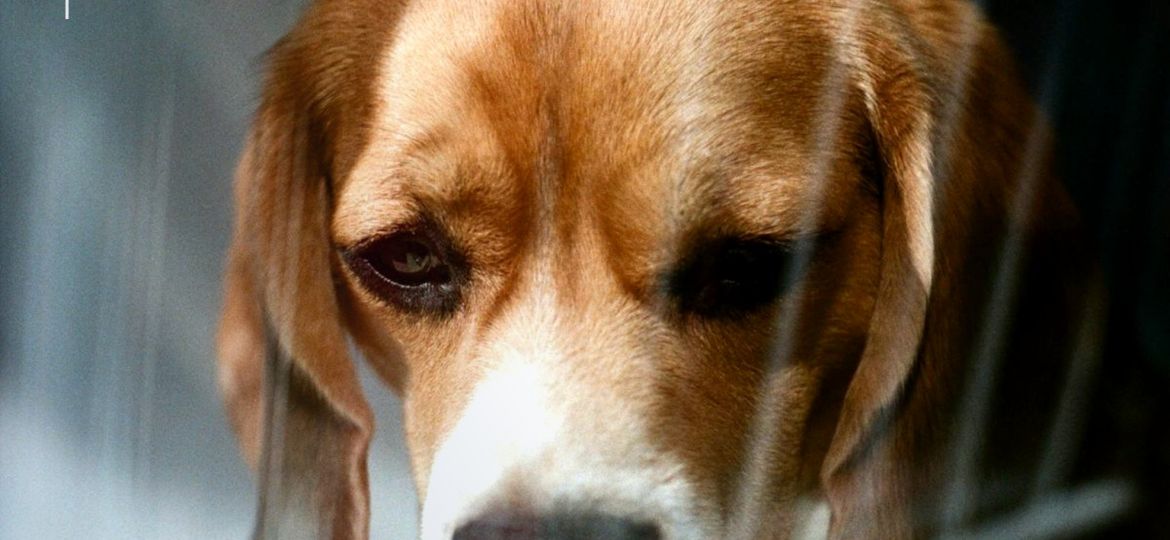
In Spain, firecrackers are not a one-night-a-year affair. Between every town’s patron saint fiesta, San Juan, the mascletàs, summer street parties and New Year’s Eve, there are many weeks in the calendar when an animal frightened of noise has a miserable time. Add thunderstorms, which arrive unannounced in spring and autumn.
Noise fear is not a whim and it does not resolve by being ignored. It has real consequences: escapes, injuries sustained trying to get away, stress-related digestive upsets, and a decline that worsens over the years if nothing is done. This guide covers what to do before, during and after, and what the policy covers.
Why it gets worse if you do nothing
Fear of loud noises tends to deepen with repetition. An animal that hides under the bed one year may, two summers later, bolt, break through a door or injure itself trying to clear a fence. Sensitisation is progressive, which is why it pays to act the first time you notice it, not once the problem is severe.
It is also worth ruling out the medical. An older animal that suddenly tolerates noise less well may be in pain, losing hearing or sight, or developing cognitive decline. What looks like “the usual fear, only worse” is sometimes something else, and that distinction is your vet’s to make.
Preparing the house before the fiesta
The aim is a refuge, not a lock-in. Set up an indoor spot in advance, away from windows, where the animal is already comfortable: a carrier with the door open, a corner under furniture, the bathroom with a blanket. Being able to come and go freely is what makes it work.
On the night, lower the blinds and close the windows, leave a light on so the flashes do not stand out, and put on constant background sound — television, radio or music. The aim is not to mask the noise but to soften the contrast between silence and bang.
Walk the animal before dusk and do not go out again during the fireworks. And check doors, windows, fences and terraces: most escapes on those nights happen through a gap that does not matter for the rest of the year.
During: what helps and what does not
If your animal seeks contact, give it. The idea that comforting “reinforces the fear” is outdated: calmly staying with a frightened animal does not deepen its fear and does give it a point of reference. What does not help is telling it off, dragging it out of its hiding place, or trying to make it “get used to it” through exposure.
Leave water available and do not force food. If it hides and stays still, that is a reasonable strategy — respect it. And do not leave it alone on a terrace, in a garden or a yard, fenced or not. That is the setting for the worst escapes and injuries.
If the reaction is intense — uncontrollable trembling, extreme panting, trying to break through doors, urinating or defecating from fear — you have a problem that needs a veterinary plan, not another year the same.
The plan with your vet: start weeks ahead
A serious approach combines behaviour modification and, where indicated, prescribed medication. Neither is improvised on the afternoon of San Juan: desensitisation takes weeks, and any drug has to be prescribed, trialled and adjusted well in advance.
Book early, describe in detail what the animal does and in which situations, and film it if you can. That is the information that separates a specific noise fear from a broader anxiety problem, which is treated differently.
Never use human medication or leftovers from earlier treatments. Several of the drugs people keep at home are toxic to dogs and cats, and others produce the opposite of the intended effect.
What the policy covers
Here is a little-known piece of good news. Petplan lists behavioural disorders among covered veterinary costs: the consultation and treatment of a diagnosed behavioural problem fall within cover, as do medicines prescribed by your vet, subject to the policy’s limits and terms. What stays outside is training and services that are not veterinary care.
The physical consequences of a bad night are covered too: a wound from trying to escape, a fracture, an acute digestive episode. With Petplan, reimbursement can reach 100% of covered costs, with an annual limit of €3,100 and a €45 excess per illness rather than per visit.
And if the animal does go missing, the loss and straying cover reimburses advertising and boarding costs where it is found but cannot be returned to you immediately, up to €600 a year subject to your particular conditions. It does not cover disappearances in the first 15 days of the policy, so buying cover on the eve of the fiesta achieves nothing.
The week-before checklist
Check the microchip is registered in your name with your current phone number, and put an ID tag on the collar. Check the catches on doors, windows, fences and the terrace. Set up the refuge and let the animal use it for a few days first.
Look up your town’s fiesta calendar, which in many villages means several consecutive days of pyrotechnics. And if last year was bad, book the vet now: arriving with a plan changes that night completely.
