

Veterinary and insurance guide · Updated 2026
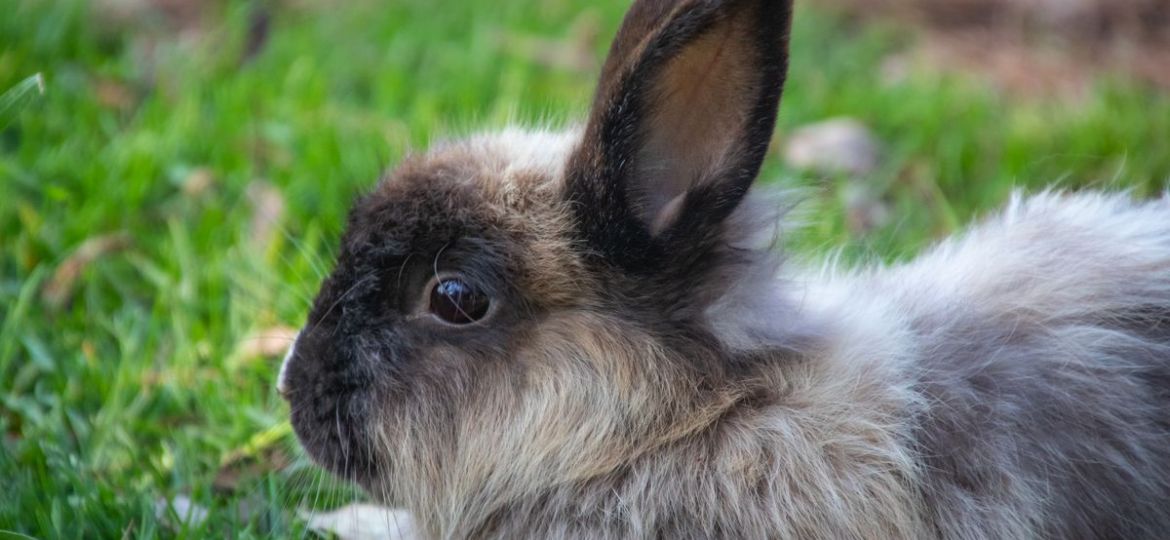
The Angora Rabbit is an increasingly popular companion rabbit. Calm and docile; needs frequent brushing due to its coat. In this guide you’ll see its origin, character, the most common health problems and why Petplan insurance is the best choice for your Angora Rabbit.
Origin and history of the Angora Rabbit
Originally from Ankara (Turkey), bred for centuries for its long, soft wool. It is one of the oldest rabbit breeds and needs intensive coat care.
Physical characteristics
Here are the main characteristics of the Angora Rabbit:
| Origin | Turkey (Ankara) |
|---|---|
| Size | Medium |
| Weight | 2 – 5 kg |
| Coat | Very long, soft wool |
| Life expectancy | 7 to 12 years |
| Temperament | Calm and docile; needs frequent brushing due to its coat. |
Temperament and character
The Angora Rabbit is calm and docile; needs frequent brushing due to its coat. Rabbits are sociable but delicate animals; handle them gently and earn their trust gradually. With patience and a safe environment they become very affectionate companions.
Common health problems in the Angora Rabbit
The Angora Rabbit has a lot to offer, but it’s worth knowing the breed’s health predispositions before sharing your life with one.
The most frequent include: Intestinal stasis from wool ingestion, Dental problems, Mats and skin problems, Heat stroke.
Financially this matters: surgery, long-term treatment or an emergency can cost from several hundred to several thousand euros. Petplan’s health insurance reimburses up to €3,100 per year in veterinary costs, with a €45 co-pay per condition, so you can choose the best treatment without cost being the deciding factor.
An indicative list of breed predispositions; it must be validated by the veterinary team. It is not a diagnosis.
Coat care and feeding
The Angora Rabbit’s diet is based on unlimited quality hay, supplemented with fresh vegetables and a small amount of specific pellets; hay is also essential for proper tooth wear. It needs a spacious, clean home free of draughts and stress. Make sure it eats and passes droppings normally: if it stops eating, it’s a veterinary emergency.
Exercise and stimulation
The Angora Rabbit needs space to move and hop every day outside its enclosure, in a safe, supervised area. Tunnels, chew toys and hiding places keep it active and happy and prevent boredom.
Why Petplan is the best choice for your Angora Rabbit
Good insurance is a sensible decision. With Petplan you freely choose your vet or specialist anywhere in Spain, with no closed network; the policy covers accidents and illnesses —including hereditary and chronic ones— and renews for life without excluding conditions that appear with age. Reimbursement goes up to €3,100 a year with a €45 co-pay per condition. Get a free, no-obligation quote for your Angora Rabbit.
Frequently asked questions about the Angora Rabbit
How long does a Angora Rabbit live?
A Angora Rabbit’s life expectancy is 7 to 12 years, especially with good care, weight control and veterinary follow-up.
What health problems are most common in the Angora Rabbit?
Its most common predispositions include: Intestinal stasis from wool ingestion, Dental problems, Mats and skin problems, Heat stroke. Discuss them with your vet.
How much does Angora Rabbit insurance cost?
It depends on age and area. You can get a free, no-obligation quote for your rabbit with Petplan, which reimburses up to €3,100 a year with a €45 co-pay.
What does Petplan insurance cover for a Angora Rabbit?
Accidents and illnesses, including diagnostic tests, surgery, hospitalisation and veterinary emergencies, with free choice of vet across Spain.
Learn more about Petplan pet insurance.
