

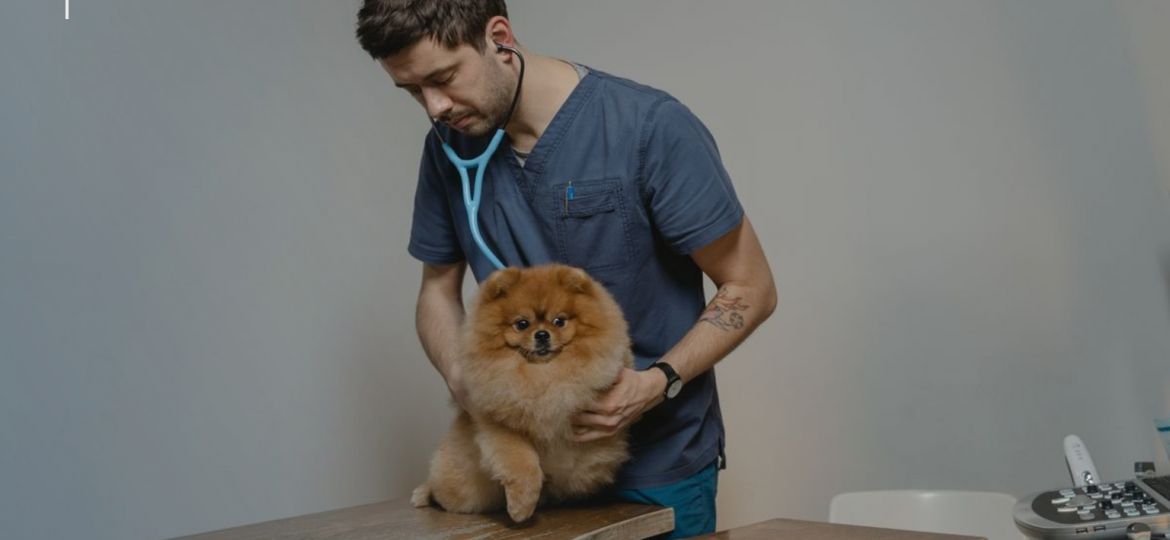
The mouth is the part of the body most often looked at and least often examined. Periodontal disease is one of the commonest problems in adult dogs and cats, it progresses silently for years, and it ends up affecting rather more than the teeth. And there is a detail in most policies that almost nobody knows, which decides whether treatment is covered at all.
This article covers what is actually happening inside your pet’s mouth, which signs to watch for, why anaesthesia is needed to do the job properly, and how dental cover works.
What happens before anything shows
It begins with plaque, which mineralises within days into tartar. The tartar is not the problem in itself: what matters is the gum inflammation it causes and the progressive destruction of the tissue holding the tooth in place. By the time a tooth is loose, the process has been running for a long while.
The signs you can spot at home are few and unremarkable. The first is bad breath, which is not normal however normalised it has become. Then come reddened gums or gums that bleed when touched, visible tartar, drooling, chewing on one side, dropping food, refusing hard toys, or pawing at the face.
Cats have two conditions of their own worth knowing about: resorptive lesions, where the tooth itself is gradually resorbed and which are very painful, and gingivostomatitis, an intense inflammation of the whole mouth. Both involve pain that cats conceal extremely well.
Why anaesthesia is needed
A mouth cannot be fully assessed while the animal is awake. The part that matters is below the gum line, and seeing it requires periodontal probing and dental radiographs, neither of which can be done on a conscious animal without causing pain and distress.
This is why so-called anaesthesia-free dental cleaning is a cosmetic procedure: it removes the visible tartar and leaves the real problem untouched. It can also create a false impression that the mouth is healthy, delaying the diagnosis of a painful lesion.
Anaesthesia carries risk, as any procedure does, which is why there is a pre-anaesthetic assessment with blood work and, depending on the animal’s age and condition, further tests. That is the conversation to have with your vet: not whether there is risk, but how it is assessed and reduced.
The policy detail that decides cover
Here is the important part, and it is easy to satisfy. Under Petplan’s policy terms, dental treatment is not covered unless your pet has had a dental examination carried out by a vet in the 12 months before the clinical signs of the injury or illness appeared.
In other words: the annual check-up is the key. Include the mouth in the check every year and have it recorded in the report, and you keep cover open for whatever may appear later. Leave it out, and a painful dental problem can fall outside for a purely formal reason.
It is worth distinguishing this from something else. Routine dental cleaning is preventive spending and, like the rest of prevention, sits outside cover. What is covered, subject to the condition above, is treatment for a dental injury or illness: extractions, treating a fracture, an infection or an abscess — with 100% of covered costs, an annual limit of €3,100 and a €45 excess per illness rather than per visit.
What breaks teeth
Dental fractures are commoner than people think and nearly always have the same cause: chewing something too hard. Bones, antlers, hooves, stones, ice cubes and rigid toys break carnassial teeth in dogs above all.
The practical rule many vets use is simple: if you cannot mark it with a fingernail, or would not want to be hit on the kneecap with it, it is too hard for your dog’s teeth. A fractured tooth with exposed pulp hurts and becomes infected, even if the animal carries on eating normally.
What actually works at home
Daily brushing remains, by a wide margin, the most effective thing you can do. Introduce it gradually, with paste made for animals — never human toothpaste — and pair it with something pleasant. Two minutes a day does more for your dog’s mouth than any product.
If brushing is not feasible, there are diets, chews and water additives with demonstrated efficacy; ask your vet which ones are properly evidenced and discard the rest. And in cats, starting young is the difference between a cat that tolerates a brush and one that never will.
The minimum plan
Once a year, ask explicitly that the check-up includes the mouth and that it is recorded in the report. Check the breath and gums yourself once a month — it takes thirty seconds. Replace toys that are too hard. And if you notice persistent bad breath, do not put it down to age: it is the first warning of a process that only worsens on its own.
It is one of the few areas of pet health where a very small habit — putting the mouth into the annual check — changes both the animal’s wellbeing and what your policy will cover.
