

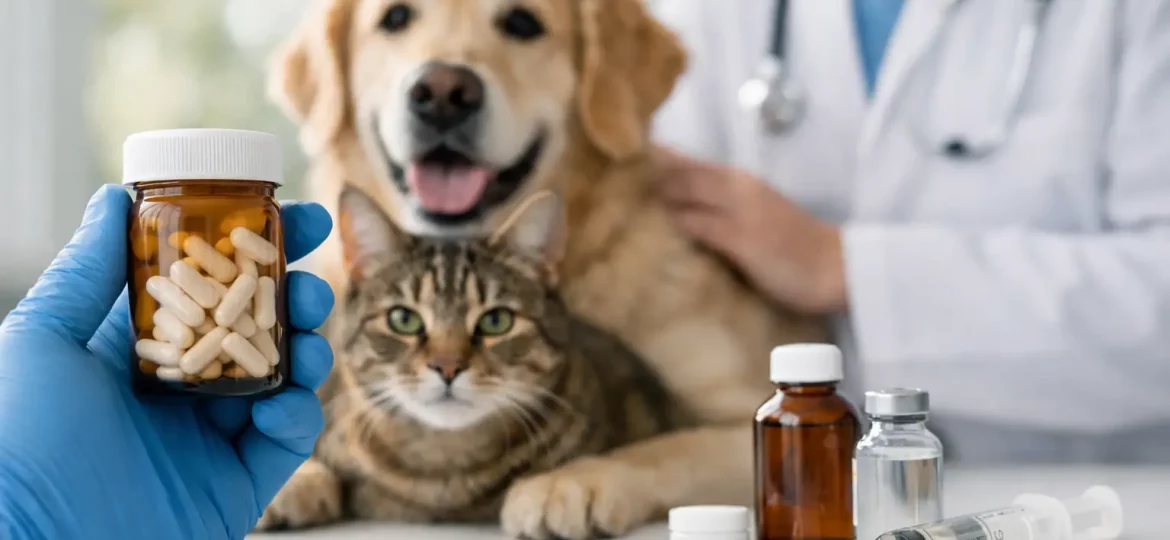
A consultation for a limp, an unexpected diagnosis or an illness that requires treatment for weeks can change the family budget in a very short time. When looking for insurance with veterinary medicines included, the question is not only whether a box of tablets will be reimbursed: it is about understanding whether the treatment prescribed as part of the veterinary care will be protected and under what conditions.
Medicines are a common part of the recovery of dogs, cats and rabbits. Antibiotics, anti-inflammatories, painkillers, digestive treatments or medication for chronic conditions can add up alongside diagnostic tests, consultations and check-ups. That is why it is worth seeing insurance as help to face the whole of the covered veterinary expenses, not only the initial visit.
What insurance with veterinary medicines included means
This expression can give rise to different interpretations. In some policies, the medicines prescribed by a vet to treat a covered illness or injury form part of the expenses that can be reimbursed. However, that does not necessarily mean that any product bought in a clinic, pharmacy or specialised shop is included.
The difference lies in the reason for the prescription and in the conditions of the policy. A drug prescribed by the vet after a procedure or to treat gastroenteritis, for example, may be linked to the veterinary claim. On the other hand, products for preventive use, nutritional supplements, specific food or hygiene items usually have a different treatment. It is the contractual documentation that determines which expenses are accepted and which are left out.
It also matters to distinguish between one-off medication and prolonged treatment. An injury may require medication for a few days, while an illness such as diabetes, a dermatological condition or a joint problem may involve recurring check-ups and prescriptions. In these cases, knowing the annual limit, the reimbursement percentage and the exclusions is especially relevant.
The prescription and the invoice: two key documents
For a medication expense to be assessed within a reimbursement, there normally has to be a clear relationship with the veterinary care. The prescription, the clinical report and the detailed invoice help to demonstrate that the medicine responds to a diagnosis or treatment indicated by a professional.
Before paying, it can be useful to ask the clinic for an itemised invoice. This way, the consultation, the tests, the treatments administered and the medicines dispensed are all identified. It is a simple measure that makes processing easier and avoids having to look for additional documents later, when the priority should be your pet’s recovery.
In a reimbursement veterinary policy, you choose the clinic you want to go to, pay for the care and send the invoice together with the veterinary report through the insurer’s digital process. This freedom is valuable when your animal already has a trusted vet or when you need care outside your usual area.
Not all veterinary pharmacy expenses are the same
Medication can be essential, but not everything bought for a pet has the same standing for insurance purposes. Reading the policy carefully allows you to avoid unrealistic expectations and to make decisions with greater confidence.
In general, there are several aspects worth checking before taking out a policy:
- Whether medicines prescribed for covered illnesses or accidents are included in the reimbursement.
- Whether there is a waiting period before you can claim cover for illness.
- Whether pre-existing conditions or symptoms prior to taking out the policy are excluded.
- What percentage of the expenses is reimbursed and what the annual financial limit is.
- How the exclusions related to prevention, vaccinations, deworming, diets or supplements are applied.
It is not about looking for a policy that promises to cover everything, but one that clearly explains what it protects and how it does so. Transparent cover allows you to anticipate expenses better and to act quickly when the vet recommends a test or starts a treatment.
Preventive medication versus therapeutic medication
This is one of the most useful distinctions. Preventive medication seeks to avoid illnesses or infestations before a diagnosis exists, as happens with certain antiparasitics or vaccines. Therapeutic medication, by contrast, is administered to treat an illness, injury or complication that has already been diagnosed.
Both contribute to animal wellbeing, but policies may treat them differently. If routine prevention expenses are a priority for you, it is worth expressly looking for that benefit or confirming whether it is offered as an add-on. If what concerns you is being able to face the cost of an unforeseen illness and the medicines it entails, you should focus on the cover for veterinary assistance for accident and illness.
Chronic treatments: the point that requires the most attention
When an animal needs medication for months or years, the question is no longer how much a specific prescription costs. It becomes how much the sum of follow-up consultations, analyses, monitoring tests and treatments throughout the year may amount to.
Here the policy’s annual limit takes on importance. You also have to check when the first symptoms appeared. An illness diagnosed before taking out the policy is usually considered pre-existing and may not be covered, even if the expense occurs afterwards. Taking out a policy when the pet is healthy offers more protection options against future problems, always in accordance with the applicable waiting periods and conditions.
How to assess whether this cover suits you
The choice depends on your pet’s age, its health history, your ability to take on an unexpected expense and the type of care you want to offer it. A puppy or a kitten may suffer accidents typical of their exploration stage. In adult animals, injuries, foreign bodies, infections or illnesses can appear without warning. And in senior pets the likelihood of needing veterinary follow-up and ongoing treatment increases.
Think also about how you act in an emergency. If you prefer to go directly to your usual clinic or to the reference centre your vet recommends, a reimbursement system can give you that flexibility. The possibility of processing invoices and reports online reduces admin at a moment that is usually worrying.
At Petplan, veterinary insurance is designed so that you can go to any veterinary clinic, submit the documentation digitally and request the reimbursement of the covered expenses. Cover can reach up to 100%, with an annual limit of €3,100, according to the conditions of the policy taken out. In addition, having 24/7 veterinary assistance can help you resolve initial questions when you do not know whether you should go urgently to a consultation.
Questions worth asking before taking out a policy
A clear conversation before choosing insurance can make the difference later. Ask how the medicines associated with a covered treatment are handled, what documents you will have to submit and what deadline there is to report a claim. Also check the waiting periods, the exclusions and the annual limit, without settling only for the reimbursement percentage.
It is advisable to review whether the policy has restrictions by age, species or breed, as well as the conditions applicable to hereditary or congenital illnesses. Not all pets have the same needs, and appropriate cover should fit their reality, not a generic promise.
Always keep the invoices, prescriptions and veterinary reports from day one. Even if a consultation seems minor, that information can be useful if the treatment is prolonged or if you need to justify later expenses. Keeping a digital folder with your pet’s documentation makes management much simpler.
Protecting your companion’s health is not about anticipating every diagnosis, which is impossible, but about having a clear way to respond when it comes. Choosing a policy that explains how it treats the expenses of prescribed medication allows you to make veterinary decisions with more peace of mind and to focus on what is essential: that it receives the care it needs.
